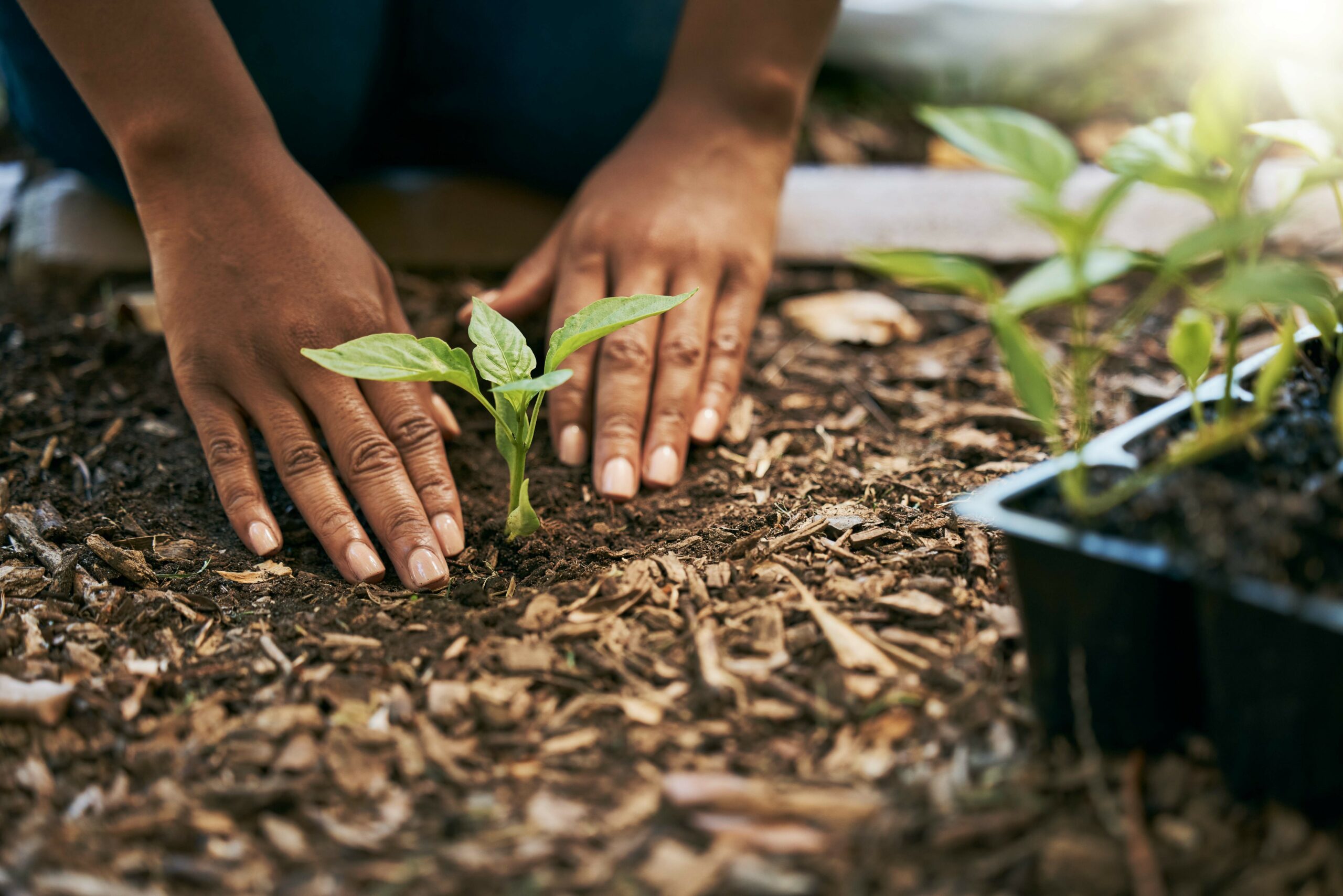
As the global population grows and environmental concerns mount, the need for sustainable food sources has become more pressing than ever. Sustainable food production isn’t just about today’s meals—it’s about preserving resources for future generations. By choosing sustainable sources, we can help ensure the long-term health of our planet and support resilient, thriving communities.
1. What Does Sustainable Food Mean?
Sustainable food production means using practices that protect the environment, uphold animal welfare, and strengthen local economies. This includes using fewer chemicals, conserving water, minimizing waste, and avoiding practices that degrade soil health.
2. Benefits of Sustainable Food for the Environment
- Lower Carbon Footprint: Sustainable farms often use practices that reduce emissions and rely less on fossil fuels, lessening agriculture’s environmental impact.
- Soil Health: By rotating crops and minimizing chemical use, sustainable farms preserve the nutrients and biodiversity in the soil, leading to healthier, more resilient crops.
- Water Conservation: Sustainable food practices prioritize water efficiency, crucial in areas facing water scarcity.
3. Sustainable Food and Community Impact
Locally sourced and sustainably produced food fosters a sense of connection within communities. Choosing to buy from local, sustainable sources helps ensure fair wages, supports local economies, and keeps food dollars circulating within the community.
4. A Healthier Choice for Families
Sustainable food sources often have lower levels of pesticides and chemicals, meaning healthier options for families. This leads to a ripple effect—healthy families make for strong, vibrant communities.
Conclusion
Sustainable food sources are no longer just an option—they’re essential for the health of our environment and our communities. As consumers, we have the power to make choices that support sustainable practices and ensure a future where food is available to all. At Phaphama Nutrition, we’re proud to source our ingredients locally, supporting sustainable food systems for a brighter tomorrow.